
Have laptop, will travel

Updated: May 20, 2020
While it's certainly true that technology allows employees to work from home (or a beach in Thailand), the concept of remote working is, relatively speaking, still in its nascency (although figures are rising in the USA and in the UK).
On the surface, flexible working is on an upward trend - but the remote only model is not as common. It might sound good on paper, but how does it work in practice? How do you measure performance? What does it take to be a successful employee in a remote setting? What are the advantages and disadvantages for the employee?
Remote working isn't for everyone. You have to have a strong work ethic. Working from home, while it has many advantages, also has unlimited flexibility. It's all too easy to cave into hyperbolic discounting and have a lie-in, procrastinate, polish the martini glasses, stare into space.
Surface acting is when front line service employees, the ones who interact directly with customers, have to appear cheerful and happy even when they’re not feeling it. This kind of faking is hard work—sociologists call it “emotional labor”—and research shows that it’s often experienced as stressful. It’s psychologically and even physically draining; it can lead to lowered motivation and engagement with work, and ultimately to job burnout.

In the UK, there is legislation in place that makes it possible for employees to request flexibility in their working arrangements - and this includes the option to work from home.
It might sound good on paper, but how does it work in practice? How do you measure performance? What does it take to be a successful employee in a remote setting? What are the advantages and disadvantages for the employee?
Perhaps I can best illustrate this by showing my own journey. When I started my digital career in 2000, I accidentally ended up as a remote web designer.
I had done a course in HTML and PhotoShop and was ready to hit the job market. My rookie enthusiasm was met with caution by recruiters. Employers wanted to see at least six month's experience before I could think about doing this professionally. I was at least 183.5 days behind the zeitgeist. I had missed the first wave...
Undaunted, I set up as a sole trader and for six months I churned out websites for friends. I found myself - still in my pyjamas at midnight - hungrily learning the ins and outs of SEO and dynamic HTML. I dived into the wonders of Flash. I brushed up on my JavaScript. I followed every design trend, every iteration of technology, with the steely focus of a vulture in the dry season.
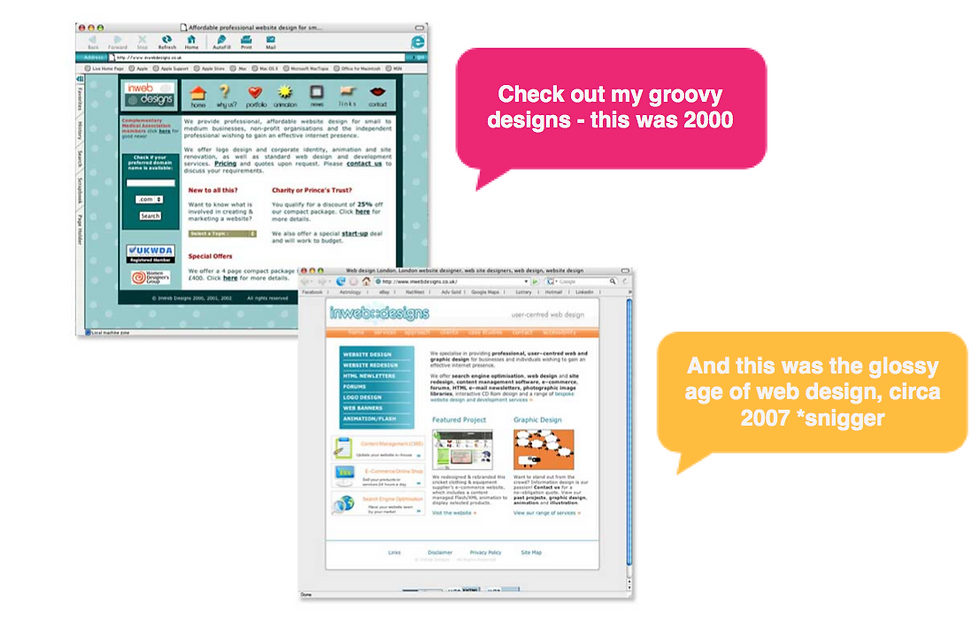
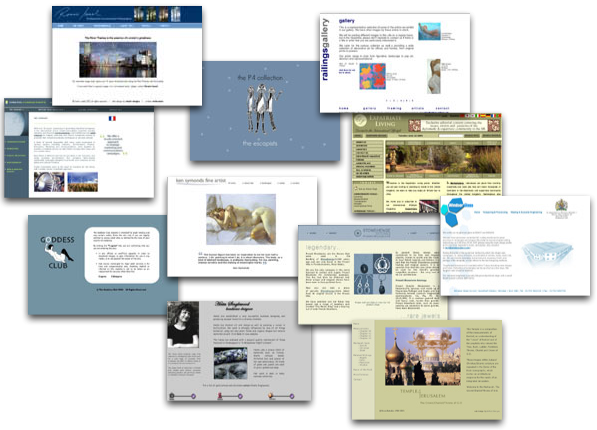
When I returned to the job market six months later with my portfolio (pregnant with Web 1.0 designs) it was only to be greeted with the news that I needed a year's experience and a degree in something - graphic design, computer science, anything along those lines - to be taken seriously.
Damn! I was passionate about this "new media", as it was called back in the day. I truly believed that this was the way of the future, even though most of my friends at the time didn't yet have email addresses. Hell, they didn't even have mobile phones! I wasn't going to give up my dream that easily.
And so I went off and did a full time degree in user centred design.
Running a website design business and doing a degree was stressful and a steep learning curve, but I survived. I managed to carve out a niche for myself as the only user centred web designer on Google at the time. Happy days!
By now, I had stepped up from designing websites in exchange for artwork or CDs from my artistic circle of friends. I was creating websites for small businesses, and working remotely for marketing and digital agencies who needed email newsletters or websites.
Now that I had caught up with the job market, I was somewhat resistant to becoming an employee. I had the flexibility to work the hours that suited me best, and I didn't have to get on the Tube on a cold, rainy Monday morning to commute to an office.
I found myself working longer hours than I would at a normal job. If I didn't get up in the morning, I wouldn't be able to pay my rent at the end of the month. Simple.
And so a powerful work ethic was carved into my psyche - and remains with me today.
By 2007, I was fed up with the multiple hats I had to wear and the plates I had to spin... I had become more and more interested in usability, UX, information architecture and user research. Spending hours deciding which hex code was the perfect shade of blue had lost its appeal.
As someone who has always kept an eye on future trends in digital, the writing was on the wall. Technology was improving in leaps and bounds; the one-man-band website designer wouldn't survive the drag-and-drop software that was coming into the market.
This time I entered the job market slightly ahead of the UX wave. Companies were beginning to demand more user-centred strategy; they wanted wireframes and information architecture. They wanted user needs to guide design responses.

For the next 10 years, I climbed the UX ladder. From creating wireframes and information architecture, through to UX design and user research.
I sometimes felt like the John the Baptist of the digital agency world; evangelising on the importance of evidence based design and usability - particularly in organisations that didn't have processes to support user centred design thinking.
But hanging in there paid off in the end; UX corporate maturity is now prolific in Europe and the USA, and catching up elsewhere in the world.
In 2013, I moved exclusively into my real passion; user research. With a solid skeleton of digital publishing and design as my foundation, I am finally able to use all of my generalist skills and experience to bring deep value to my specialist role.
But today, I'm ready to go full circle and return to remote - I have the experience and discipline, and I am confident that I can be more effective when I have a working environment that I can customise to fit my needs, rather than having to work in culture and environment constructed by an organisation.
Like my hunch for digital and UX, I now have a hunch that the remote model of working is the next big thing in the future. And the reason is because technology enables this model - but more importantly, it's a human centred way of working.
Remote working isn't for everyone. You have to have a strong work ethic. Working from home, while it has many advantages, also has unlimited flexibility. It's all too easy to cave into hyperbolic discounting and have a lie in, procrastinate, polish the martini glasses, stare into space.
If you like office banter and the routine of going into work every day, this isn't for you. It can be a lonely life if you don't master the work/play balance.
But if - like me - you work better without the background noise of an office environment, and you yearn to lose yourself in your work, while listening to music that helps you to work more efficiently (or complete silence), then this is a good option.
Flexibility around working hours allows you to take that crucial power nap - or siesta - to enhance your performance, recalibrate your frazzled brain, and improve your problem-solving capabilities.

Theoretically, if you have a laptop and good wifi, you can work anywhere in the world. The digital nomad scene is thriving, and there is an excellent infrastructure of co-working spaces in most major cities.
While mainstream organizations are yet to jump on board with this way of working, there are some frontrunners (mostly tech startups) such as Invision, Buffer and zapier. Rolling out a remote-only approach requires a paradigm shift in terms of working processes, and while there are clear advantages to this model - it can still feel like a leap of faith.
Productivity becomes measurable by output; everyone has a stake in the success of the business. Offering this type of work model increases loyalty and psychological investment in one's work, and it's a healthier way of life - if you are able to master a routine that creates a healthy boundary between personal and professional life.
That aside, if you have the opportunity to work remotely, there are a couple of important things to consider before you start :
Have a dedicated, ergonomic work station
Always have good data backup (I use cloud storage and an external hard drive) and insure your equipment against loss and damage
Ensure you have the right tools for collaboration and documenting your work
Install the best anti-virus software you can afford (Bitdefender works well for me) and make sure you are protecting the data that you handle.
Good communication is key to your success. Don't work in isolation; communicate with colleagues, both for work and also for social water-cooler conversations.
Take breaks, get up and exercise frequently, it's all too easy to push yourself too hard
Develop a healthy routine for your work/life balance

As more and more organizations adopt this model - and the processes needed to ensure that it succeeds - my prediction is that we will see more remote options becoming available -if organizations have trust in their employees and are willing to adjust their processes.
Bring it on, I say. I'm ready to surf this wave.

Comments